


Supporting First Responders During Mental Health Awareness Month
Every day, first responders face situations that most people never encounter. They rush into emergencies, witness trauma, and carry the weight of others' crises. This constant exposure can take a serious toll on their mental health. Mental Health Awareness Month offers a crucial opportunity to recognize these challenges and provide meaningful support to those who serve on the front lines.
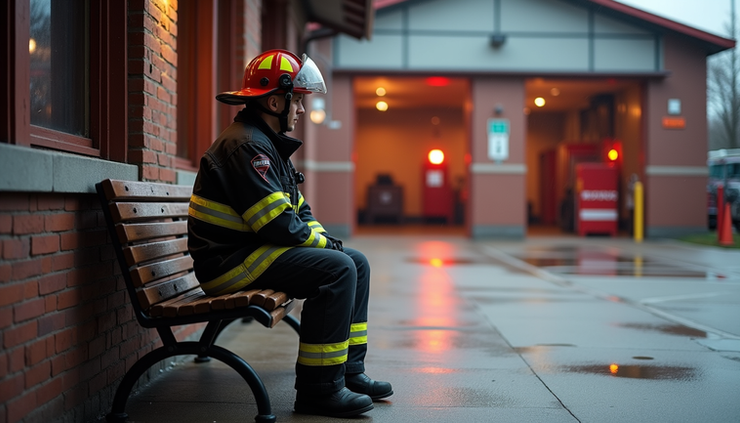
The Mental Health Challenges First Responders Face
First responders include firefighters, paramedics, police officers, and emergency medical technicians. Their work exposes them to high-stress, life-or-death situations regularly. This exposure can lead to:
Post-Traumatic Stress Disorder (PTSD): Repeated trauma can cause flashbacks, nightmares, and severe anxiety.
Depression and Anxiety: The pressure of the job and witnessing suffering can contribute to persistent sadness and worry.
Substance Use: Some may turn to alcohol or drugs as a way to cope with stress.
Burnout: Long hours and emotional exhaustion can lead to physical and mental fatigue.
Studies show that first responders have higher rates of mental health issues compared to the general population. For example, a 2018 study published in the Journal of Occupational Health Psychology found that nearly 30% of firefighters reported symptoms consistent with PTSD.
Why Mental Health Awareness Month Matters for First Responders
Mental Health Awareness Month raises public understanding about mental health struggles and reduces stigma. For first responders, this month is a chance to:
Encourage open conversations about mental health challenges.
Promote access to resources tailored to their unique needs.
Highlight the importance of self-care and peer support.
Advocate for workplace policies that prioritize mental wellness.
By focusing on these goals, communities can help first responders feel valued and supported beyond their physical safety.
Practical Ways to Support First Responders
Supporting first responders requires action from individuals, organizations, and communities. Here are some effective approaches:
1. Provide Access to Mental Health Resources
Many first responders hesitate to seek help due to stigma or fear of career consequences. Offering confidential counseling services, peer support groups, and mental health training can make a difference. Examples include:
Critical Incident Stress Management (CISM) programs that provide immediate support after traumatic events.
Employee Assistance Programs (EAPs) offering free counseling sessions.
Mental health apps designed for first responders, such as Resilience@Work.
2. Foster a Culture of Openness
Leadership plays a key role in shaping workplace culture. When supervisors openly discuss mental health and share their own experiences, it encourages others to do the same. Some departments have introduced:
Regular mental health check-ins.
Training sessions on recognizing signs of distress.
Peer mentoring programs where experienced responders support newcomers.
3. Promote Physical Health and Rest
Physical and mental health are closely linked. Encouraging regular exercise, healthy eating, and adequate sleep helps build resilience. Departments can:
Schedule shifts to allow for proper rest.
Provide fitness facilities or wellness programs.
Educate about the importance of sleep hygiene.
4. Engage Families and Communities
First responders’ families also face stress related to the job. Offering family support programs and community events can strengthen their support network. Examples include:
Family counseling services.
Community appreciation days.
Workshops on coping strategies for families.
Real-Life Examples of Support Initiatives
Several organizations have developed programs that show promising results:
The Firefighter Behavioral Health Alliance offers peer support and resources tailored to firefighters.
The Police Organization Providing Peer Assistance (POPPA) provides confidential peer counseling for law enforcement officers.
The National Suicide Prevention Lifeline has specialized crisis lines for first responders.
These programs demonstrate how targeted support can improve mental health outcomes and reduce suicide rates among first responders.
How Supporters Can Help
If you want to support first responders during Mental Health Awareness Month and beyond, consider these actions:
Learn about the challenges they face and share accurate information to reduce stigma.
Volunteer or donate to organizations that provide mental health services to first responders.
Advocate for policies that improve mental health care access and workplace conditions.
Offer personal support by listening and checking in with first responders in your life.
Moving Forward with Compassion and Action
First responders dedicate their lives to protecting others. Recognizing their mental health needs is essential to ensuring they can continue this vital work. Mental Health Awareness Month is a reminder to take concrete steps to support their well-being.
Comments